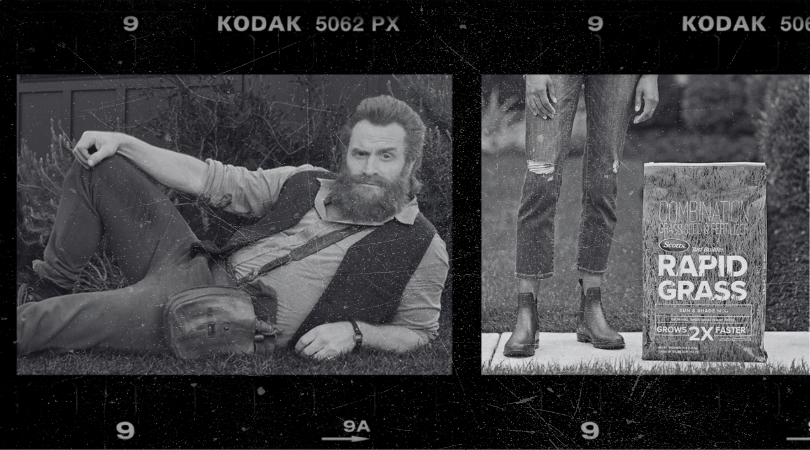
Scotts
Scotts
Grow What You’ve Got
A creative and innovation brief addressing Scotts’ relevance challenge with Gen Z and young Millennials, whose lifestyles no longer align with traditional lawn ownership, but whose desire for accessible green space remains strong.
The Ask
Help Scotts regain relevance with Gen Z and young Millennials by creating a new product that reframes lawn care as a simple, modern, and personally rewarding part of their lifestyle

Lawn Care for a Generation Without Lawns
“Touch Grass” Is a Joke, Until You Need It.
Gen Z and Millennials are overwhelmed, overstimulated, and increasingly disconnected from nature. In response, culture has embraced the idea of “touching grass”, a shorthand for slowing down, grounding yourself, and finding mental clarity.
Research supports it: exposure to green space reduces anxiety, restores focus, and improves emotional well-being. Nature is a counterbalance to constant digital noise.
But for many young adults touching grass isn’t a choice, it’s a luxury.

Green Space Is Out of Reach.
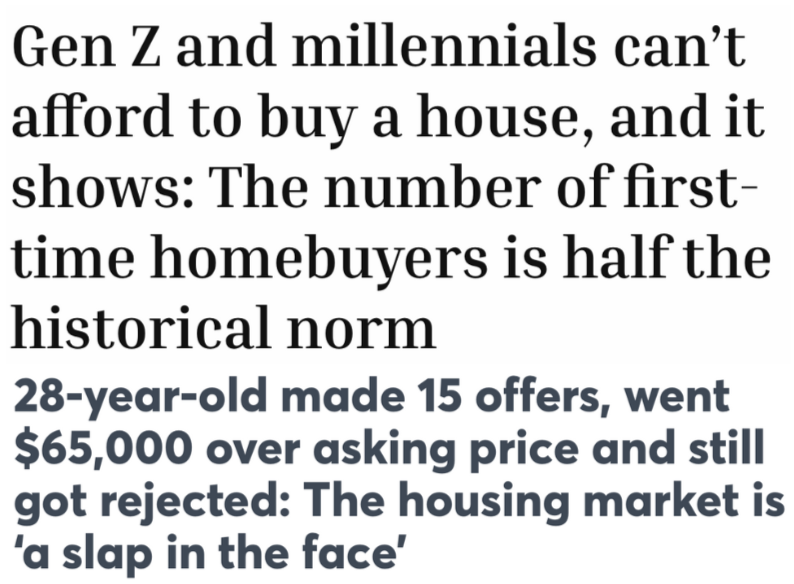
Homeownership is no longer the default. Most Gen Z and young Millennials rent, live in dense urban areas, and face rising housing costs that push traditional yard ownership further away.
Half of Gen Z and Millennials who don’ t plan to buy a home cite cost as the main barrier.
Only one-third of people in their late 20s own homes, compared to over two-thirds of Gen X at the same age.
The desire for green space hasn’t disappeared, but access to it has.
Scotts Was Built for Lawns.
This Generation Wasn’t.

Historically, Scotts has spoken to homeowners with yards, garages, and weekends set aside for lawn care. That lifestyle no longer reflects reality for younger generations.
Yet these audiences still crave nature through houseplants, balconies, windowsills, and small outdoor moments that bring calm into chaotic lives.
The disconnect isn’t about interest, it’s about relevance.
The Scotts Opportunity
Wanting Nature Without Owning It.
Gen Z and Millennials are navigating:
Anxiety around housing affordability
A shift toward renting and shared living
A desire for nature without access to traditional lawns
A redefinition of what “home” even means
Rather than ignoring this tension, Scotts has the opportunity to own and evolve with it.



From Lawn Care to Green Care.
Scotts doesn’t have to abandon lawns to grow. It has to expand its definition of where growth belongs.
The brand can reposition itself as a partner in cultivating any green space, not just backyards. Scotts becomes about supporting the nature that supports us, wherever it exists.
Not just lawns, anywhere something green can grow.
The Strategic Insight
Grow What You’ve Got.
Grow What You’ve Got reframes Scotts as a brand built for real life today, not the idealized suburban version of it. It acknowledges that for many Gen Z and young Millennials, traditional lawns are out of reach, but the desire to care for something living has never been stronger.
Whether it’s a single plant on a windowsill, a few herbs on a balcony, or a small patch of grass outside a shared home, Scotts meets people where they are. The brand shifts from maintaining perfection to nurturing progress, supporting growth that fits into modern, mobile lives.
At its core, Grow What You’ve Got is about making nature accessible again. It gives people permission to start small, care deeply, and find grounding in whatever green space they have.
Growth doesn’t require a yard, just the willingness to tend to something real.

The Takeaway
Evolve with Scotts
Scotts’ relevance problem isn’t about interest in nature, it’s about access to it. As lawns become a luxury and renting becomes the norm, younger generations are redefining what green space looks like in their lives.
By expanding from traditional lawn care to supporting any green space, Scotts can stay culturally relevant while staying true to its purpose.
Growth doesn’t require a yard, just the right tools to nurture what’s already there.